
Brief Answer:
God is the greatest possible being, meaning no being greater than God can exist.
Detailed Answer:
This definition is rooted in the philosophy of Anselm, who argued that if there were a being greater than God, that being would be God by definition.
While this definition is foundational, it raises two important questions: (a) What can we reliably know about God? and (b) How does this understanding impact us?
(a) What Can We Know Reliably About God?
To understand God, we rely on credible sources of information. The study of theology involves examining claims made about God, assessing their reliability by the evidence, and reach best supported conclusions.
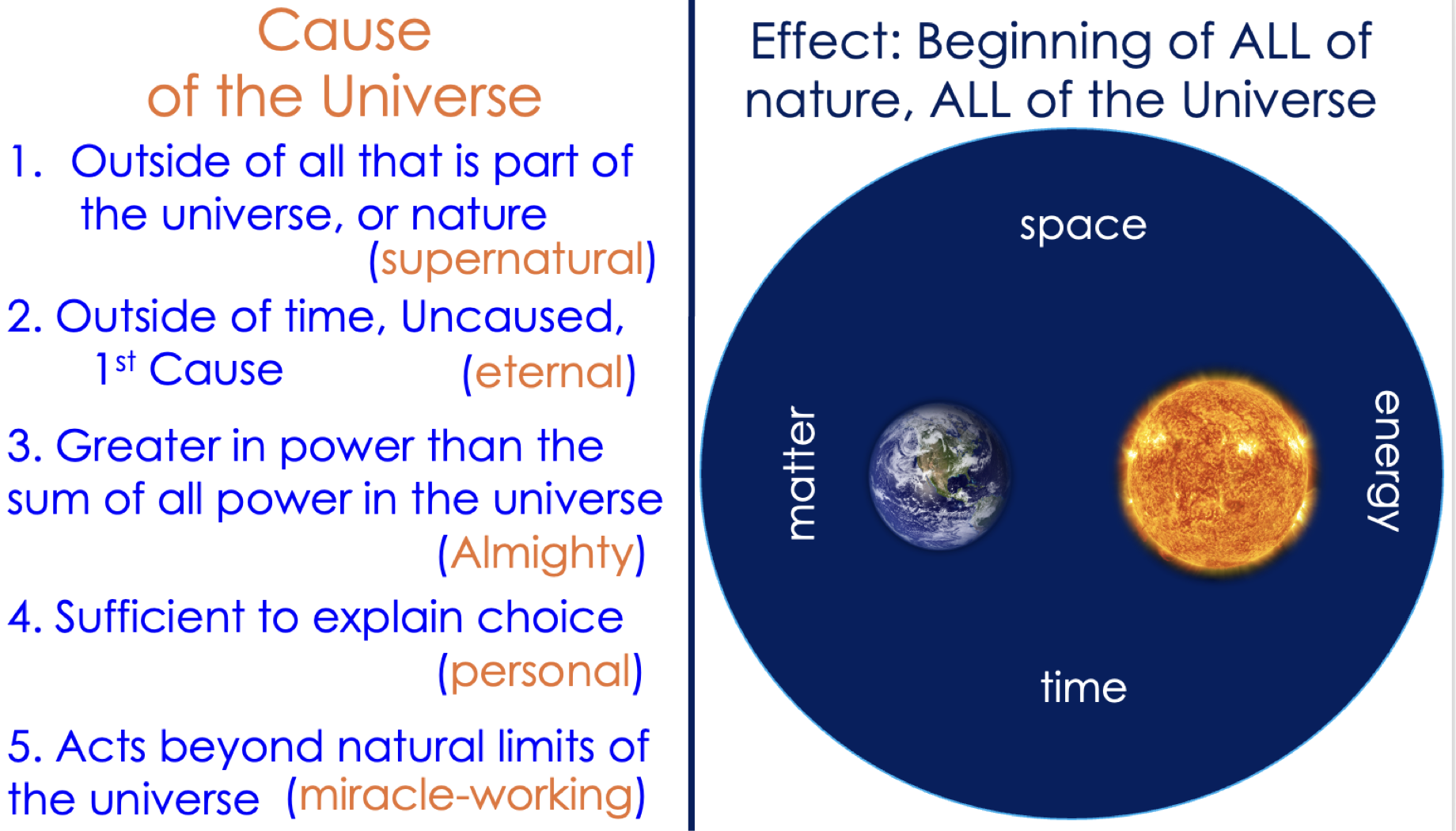
In addition to theology, insights from science, philosophy, history, other fields of study, and our own experiences and relationship with God (much of which is likely spiritual and possibly not always consciously registered as we do have a spiritual component) can inform our understanding. Based on logical arguments and scientific discoveries, we can conclude that God is:
- Supernatural
- Immaterial
- Beginningless
- Uncaused
- Timeless
- Eternal
- Personal
- Purposeful
- Enormously powerful
- The source of absolute moral value
- Able to act beyond the laws of nature
It’s worth noting “all-powerful” doesn’t imply the ability to perform logical absurdities or act against God’s nature, but rather the ability to do all that power can accomplish.
(b) How Does This Impact Me?
Understanding the nature of God is crucial because it influences our responses to life’s fundamental questions: “Does God exist?” “What is my purpose?” “What happens after life?” and “Can I trust God and his Word?” These decisions can have profound implications for our lives and beyond.
Choosing whether to align your life with the character of Allah, the biblical God, or even a human perspective depends on which understanding aligns with the greatest being defined above and is supported by reality.
