“Unpacking” the Evidence for the Minimal Facts
When claiming you have “facts,” you need to be prepared to provide significant enough evidence to validate your claim.
Or, at the very least, if your claim has better evidence or reasons to accept it than competing claims, then it is the most reasonable to accept—and those that believe otherwise, less reasonable and reliable in their claim.
Therefore, sometimes you will be asked, “What makes you believe minimal fact #3 is an historical fact?” And now, you need to open the suitcase of evidence and unpack it for the questioner.
You do not need exhaustive knowledge, just enough good pieces of evidence that the questioner must then question their own contrary belief.
Below is a summary outline of evidence, provided by Gary Habermas’s research. As time permits, I will come back to this post and add the explanations and details for each of the twelve.
The evidences provided are within the well-established types used in historical research.
Outlined Data in Favor of the Minimal Facts
Gary R. Habermas, On the Resurrection, Volume 1: Evidences (Nashville: B&H Academic, 2024), Appendix 2.
1. Crucifixion
- Multiple attestation of sources
- Early sources (especially creeds)
- Indirect eyewitness testimony
- Limited dissimilarity
- Embarrassment
- Enemy attestation (Roman soldiers, Jewish leaders)
- Multiple forms
- Coherence
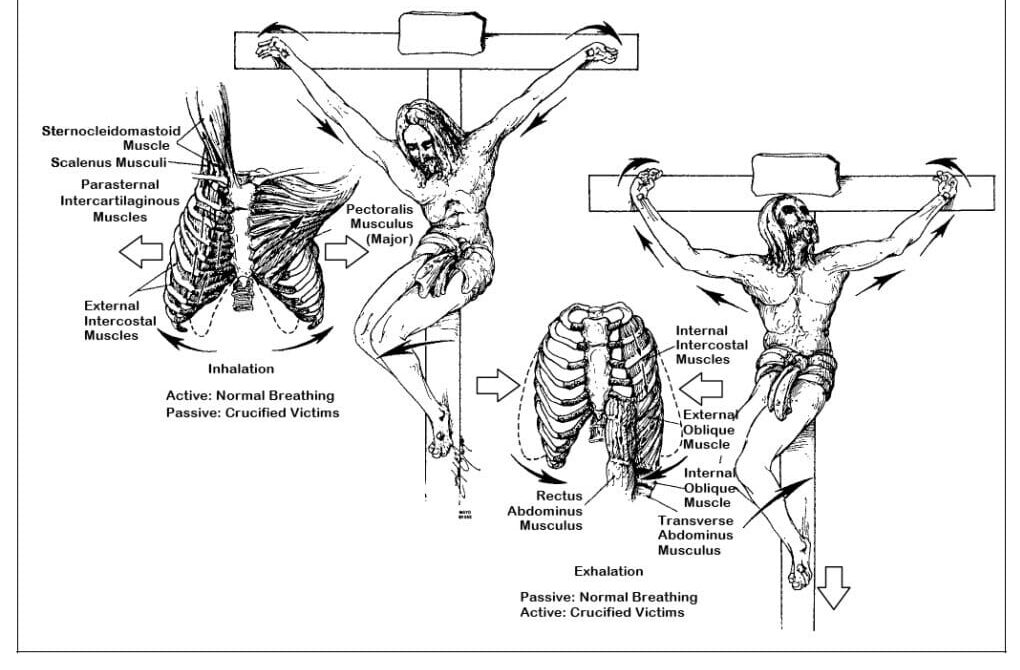
- Medical data (severe treatment, asphyxiation, shock, congestive heart failure)
- Postmortem chest wound (+ Roman confirmation)
- Strauss Critique (+ naturalistic theories fail)
- Shroud of Turin (?)
2. Disciples’ Experiences: Thought to Be Appearances of the Risen Jesus
- Eyewitness testimony (such as 1 Cor. 9:1; 15:8)
- Early creedal traditions
- Apostolic connection to the creeds (e.g., 1 Cor. 15:11 following 15:3–7)
- Paul’s confirmation of the Gospel content with Peter and James (Gal. 1:18–20)
- Paul’s second visit fourteen years later, meeting Peter, James, and John (Gal. 2:1-10)
- Numerous group appearances (+ naturalistic theories fail)
- Multiple attestation
- Multiple forms
- Embarrassment
- Limited dissimilarity
- Aramaic wording
- Enemy attestation
- The Empty Tomb may provide additional confirmation
3. Early Proclamation
- Layer: Appearance experiences
- Layer: Initial teaching (homologia)
- Layer: Likely “Pre-Pauline 1” creedal traditions
- Layer: Paul’s experience on the way to Damascus
- Layer: Paul’s first visit to Jerusalem—dialogues with Peter and James (Gal. 1:18–19)
- Layer: Paul’s second visit—dialogues with Peter, James, and John (Gal. 2:1-10)
- Layer: “Pre-Pauline 2” creeds after Paul’s conversion
- Layer: New Testament Epistles (single attestation)
- Layer: Gospels and Acts (single attestation)
- Multiple attestation
- Confirming testimony (1 Cor. 15:11)
- Multiple forms
- Embarrassment
- Dissimilarity
- Aramaic words
- Enemy attestation
- Empty tomb probable (helps to confirm)
- Groups of observers (“the twelve,” “all the apostles,” the “500,” cf. the women)
- Jesus’s deity connected to the discussion and earliness
4. Transformation of Jesus’s Disciples
- Male disciples denied Jesus and fled
- Disciples’ experiences as the impetus for their transformation
- Conversion of James
- Disciples immediately began preaching (homologia)
- Oral and creedal traditions (including Acts sermon summaries)
- Conversion of Paul
- Paul’s two trips to Jerusalem—visits with Peter, James, and John (Gal. 1:18–20; 2:1–10)
- Multiple attestation
- Embarrassment
- Enemy attestation
- Extensive ministries: Peter, James, John, and Paul (decades of leadership in Acts and epistles; extracanonical Christian testimony)
- Repeated willingness to suffer and die
- First-century texts for the martyrdoms of Paul, Peter, James, and John
- Utilizing Bayes’ Theorem (McGrew and Swinburne)
5. Conversion of James, Jesus’s Brother
- James called an unbeliever before crucifixion (Mark 3:20–21, 31; 6:3–4; John 7:5)
- Jesus’ appearance to James (1 Cor. 15:7); with believers in Acts 1:14
- Early testimony (Acts 1:15; 15:13-21)
- James’s transformation
- Multiple attestation
- Multiple forms
- Enemy/adversarial attestation
- Embarrassment
- James’ martyrdom (Josephus)
- New Testament book of James (?)
- James Ossuary (?)
6. Conversion and Life of the Church Persecutor Paul
- Zealous unbeliever before conversion (eyewitness testimony)
- Jesus’s appearance to Paul (eyewitness)
- Paul’s travelling partners as witnesses (Acts 9, 22, 26)
- Early data
- Paul’s Epistles and missions demonstrate transformation (extracanonical Christian sources)
- Multiple attestation (limited multiple forms)
- Embarrassment
- Enemy attestation
- Repeated willingness to suffer and martyrdom
- Paul well-educated as Pharisee; prior training facilitates research
- Failure of naturalistic theories
Summary Outline of the Second Six Known/Accepted Non-Minimal Facts Data
1. Jesus Was Buried
- Burial is multiply attested (also multiple forms)
- Very early, pre-Pauline Creedal sources and sermon summaries for Jesus’s burial
- Indirect eyewitness testimony (Bauckham)
- Greek word thaptō in creed means burial, not dumping
- Pre-Markan passion narrative includes Jesus’s burial
- Archaeological evidence of crucifixion victims
- Embarrassing details
- Jerusalem factor—the story could be checked out
- Jews would bury even crucifixion victims (avoid desecration and eschatological relevance; Romans permitted burial)
- The Jewish authorities would assure Jesus’s burial/whereabouts
- Jesus’s followers would assure his burial (Joseph of Arimathea)
- Enemy attestation from polemic indicating disciples stole the body
- No competing accounts exist
2. Jesus’s Death Led the Disciples to Despair and Lose Hope
- Natural psychological response
- Multiply attested
- Embarrassing testimony of disciples’ denial and desertion
- Limited dissimilarity
- Possible eyewitness material
3. Empty Tomb
- Embarrassing testimony of the women being the first witnesses
- Jerusalem factor, opposition would have checked
- Multiple independent attestation
- 1 Cor 15:3–4 implies an empty tomb
- Acts 2:29–32 and 13:28–37 sermon summaries indicating an early empty tomb report
- Likely pre-Markan passion tradition; empty tomb account could be included
- Contemporary Jewish view primarily of bodily resurrection; New Testament view of bodily resurrection appearances (N. T. Wright: anastasis and egeiro; Cook: Paul and Gospels agree)
- Enemy attestation seeking to explain empty tomb (Matt 27:62–66, Justin Martyr, Tertullian)
- Early traditions of Peter and John investigating
- Semitisms in accounts
- Potential eyewitnesses/obscure names (Bauckham)
- Sunday as day of worship
- Gospels as Greco-Roman bios
- No tomb veneration or martyr cult
- Little supernatural elaboration, few details
- Lack of theological/apologetic development or use (dissimilarity)
- Obscure names throughout accounts
- Guards at tomb potentially an early pre-Matthean tradition (Kankaanniemi dissertation)
- No early sources deny ET/no strong alternative accounts
- Little reference to or nuance from Old Testament texts
- Nazareth decree (?)
4. Resurrection Message at Center of Early Christian Preaching
- Resurrection mentioned in over 300 New Testament verses
- Included as the key to the homologia in the crucial Gospel proclamation (Rom 10:9)
- Early attestation in majority of creedal traditions (1 Cor 15:3–5)
- Multiple forms
- Multiply and independently attested
- This message the basis of New Testament Christology
5. Resurrection Message Proclaimed Initially in Jerusalem
- Eyewitness testimony (Paul’s two discussions with three other apostles in Jerusalem)
- Early attestation (Acts sermon summaries)
- Multiple independent sources place proclamation in Jerusalem
- Multiple forms
- Plausibility/coherence
6. Christian Church Established and Grew with Sunday as the Primary Day of Worship
- Church meetings begin after Jesus’s resurrection
- Eyewitness accounts of church meetings
- Early sources
- Sunday is referred to as the Lord’s day (also references to third and first days)
- Multiple independent sources
- Multiple forms